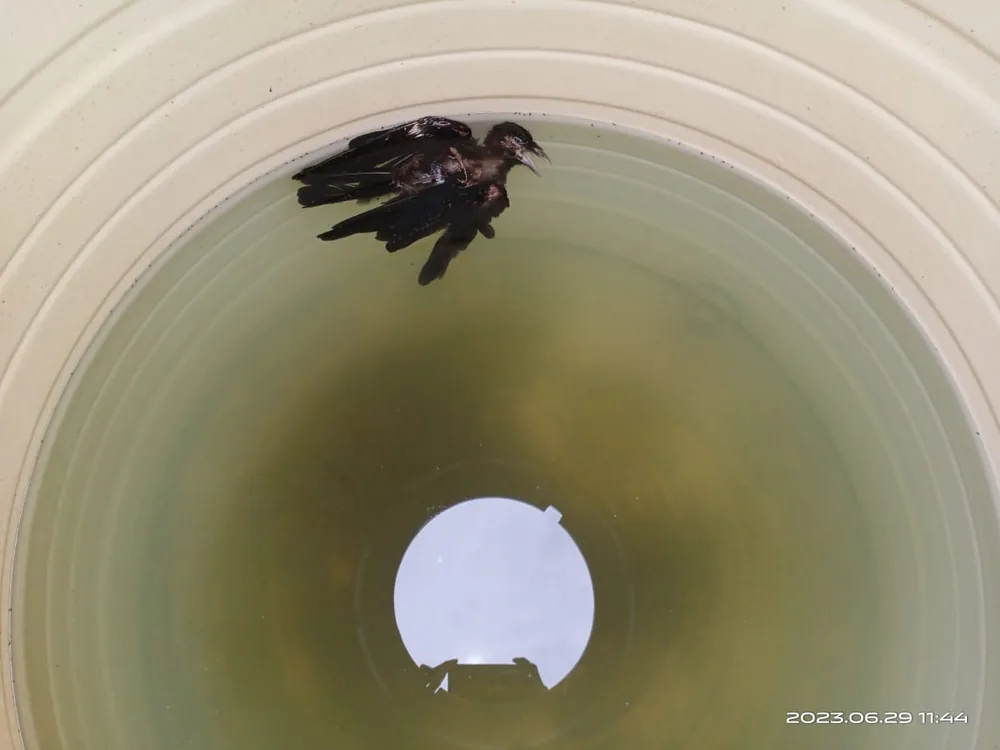
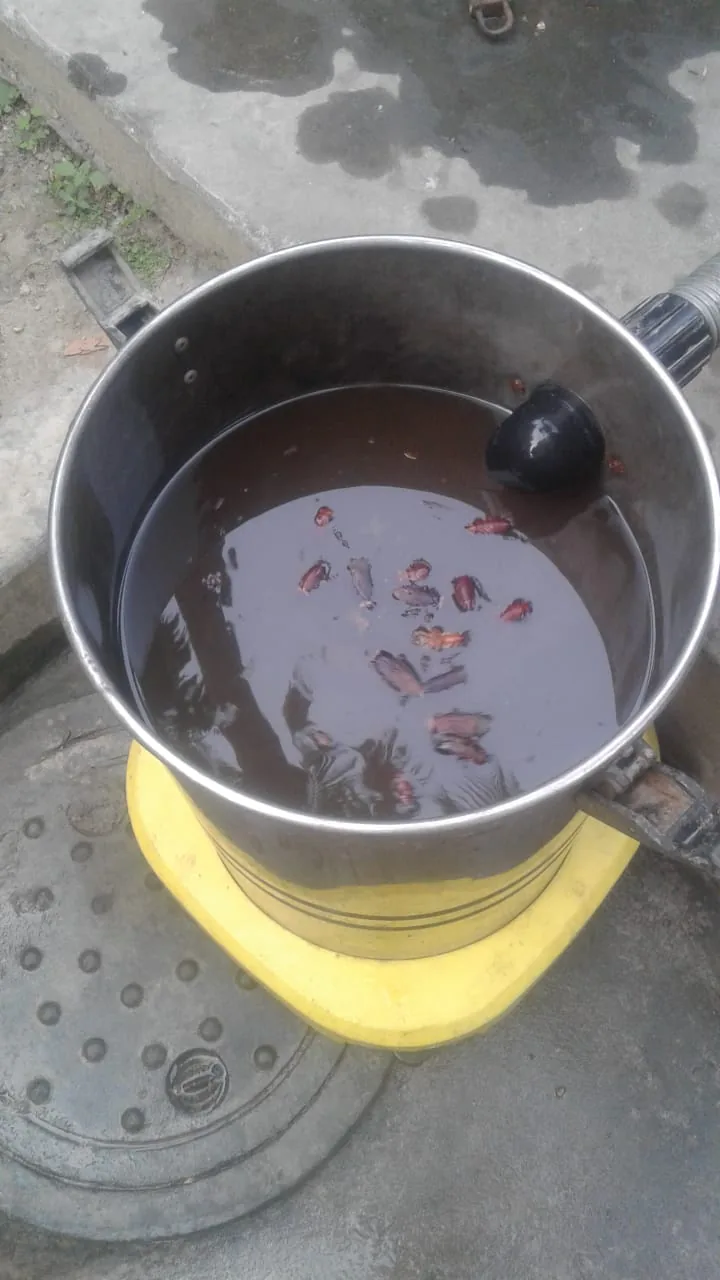
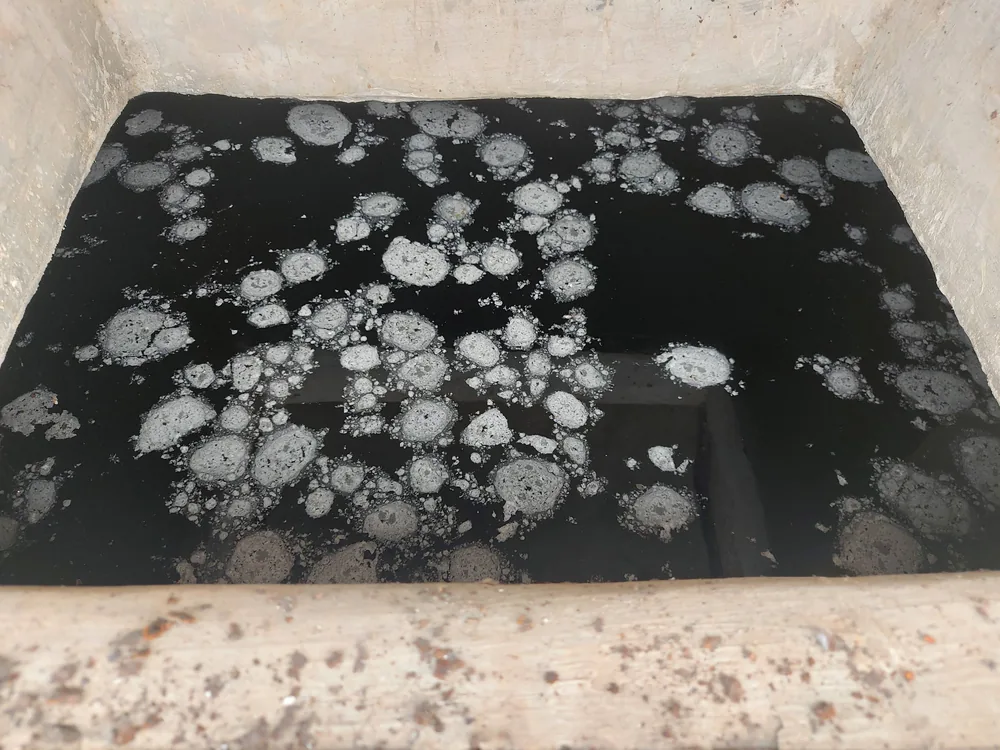
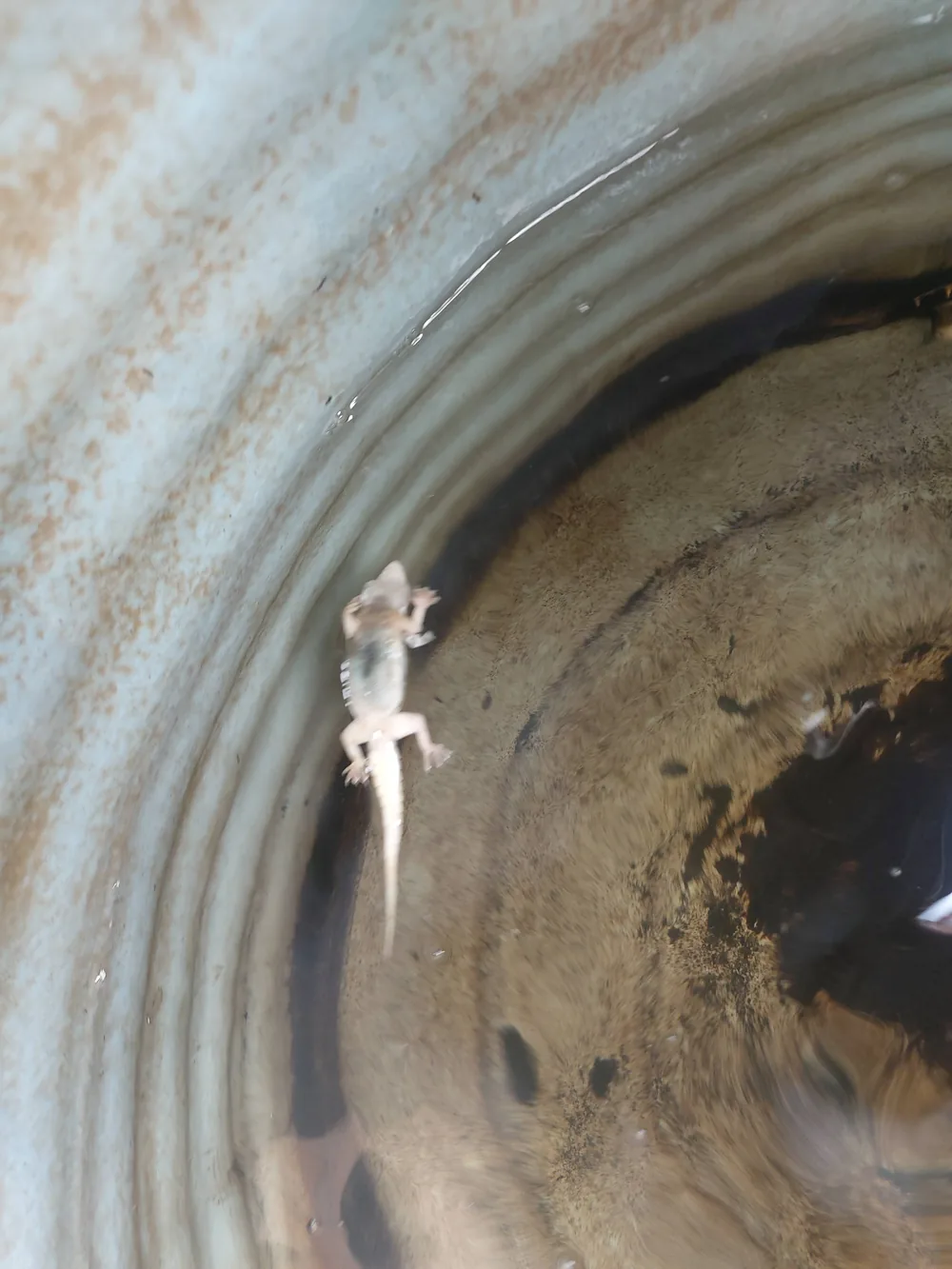
Bacteria don't float on top — they colonise the walls as a biofilm and multiply for months before you'd ever notice.
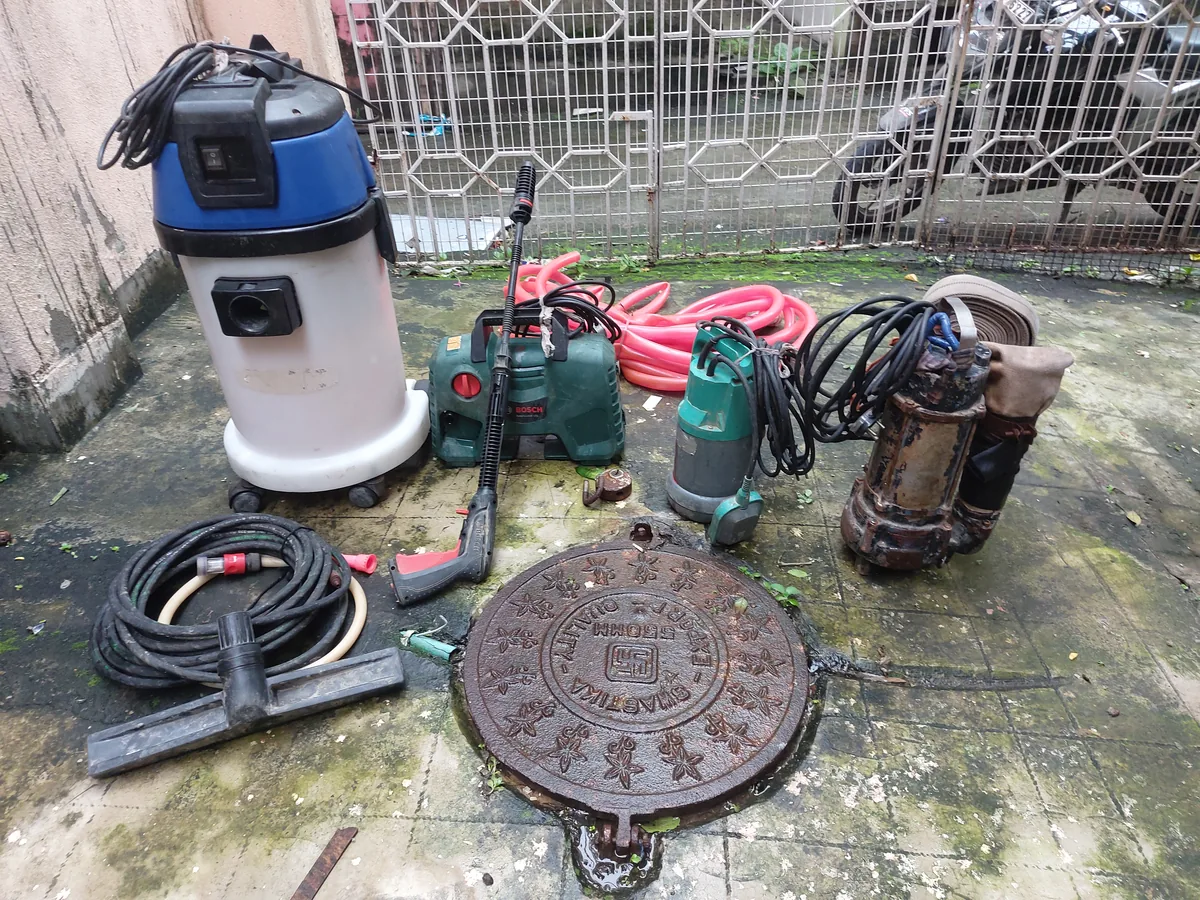
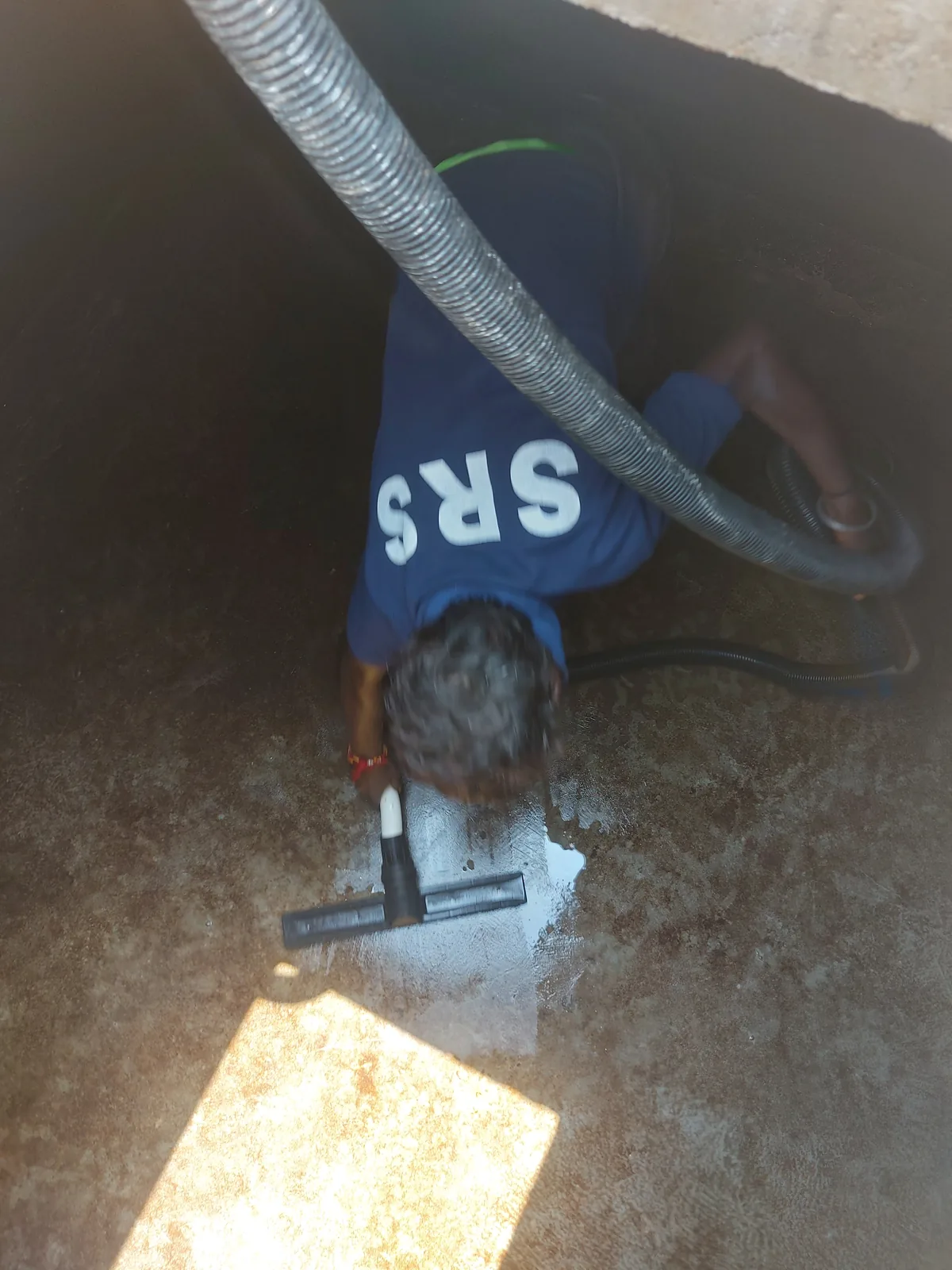
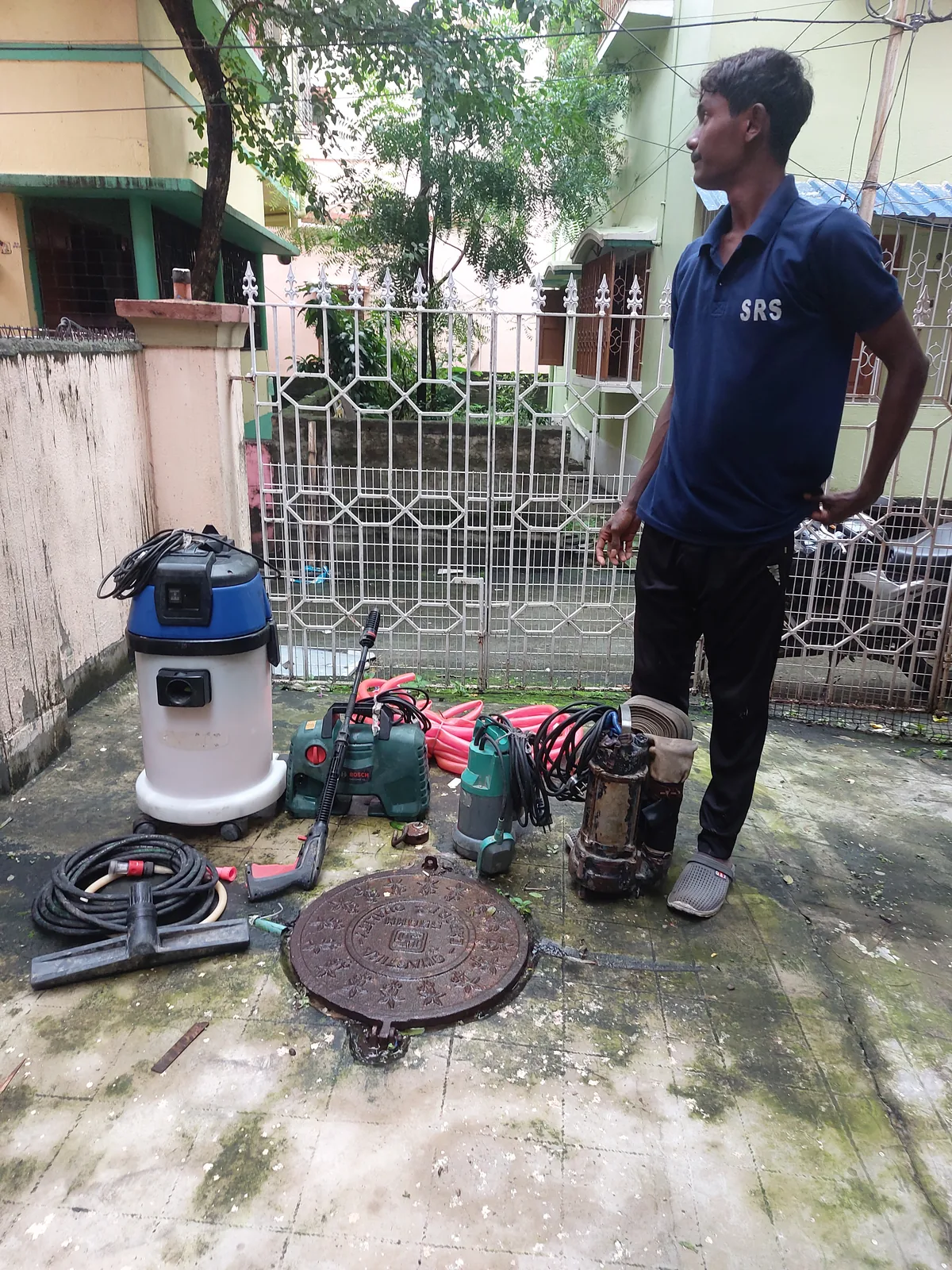
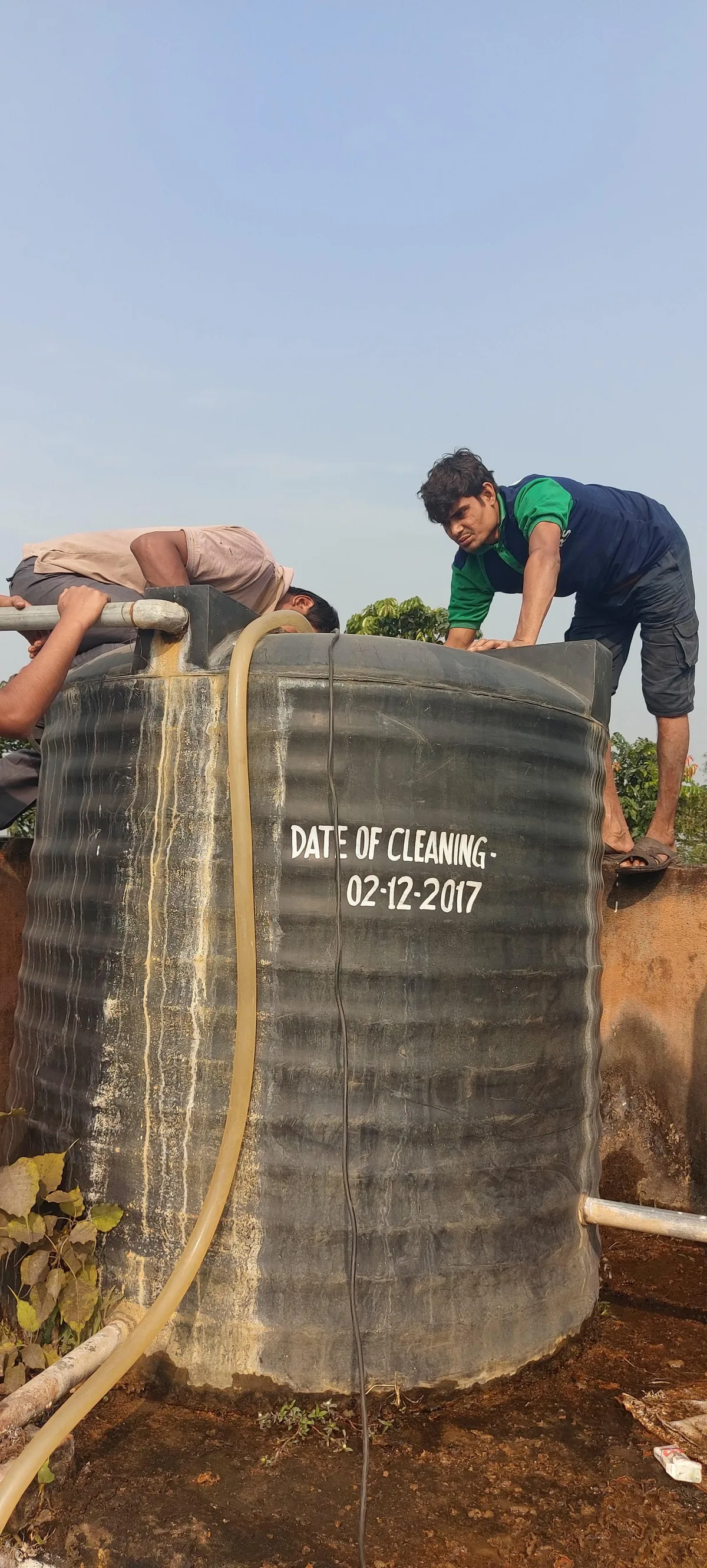
These are genuine photos from real SRS jobs across Kolkata — not illustrations. This is exactly why a tank that hasn't been cleaned in a while needs attention.
Tank cleaning, plus the plumbing and pipeline work that keeps that water actually flowing clean. Pick what you need to see the exact process, timelines and photos.
Independent homes usually rely on one or two tanks feeding the entire household, so contamination anywhere in that system reaches every tap. We clean overhead and underground tanks in the same visit, using tarpaulin and containment so the process stays mess-free indoors.
View Home Tank CleaningA housing society's tank serves dozens of families from the same water source — which means contamination risk scales with every additional flat drawing from it. Our AMC model schedules cleaning before sediment builds up to a health-risk level, rather than waiting for residents to notice a problem.
View Apartment Tank CleaningHospitals, schools and offices have water-quality obligations that go beyond convenience — a contaminated supply in a hospital or school directly affects people with lower resistance to waterborne illness. We work around institutional schedules (off-hours, phased cleaning for multi-tank sites) so operations don't stop for maintenance that's genuinely necessary.
View Commercial Tank CleaningA leak rarely stays where you first see it — water tracks along beams and behind walls before it ever shows as a damp patch, so by the time seepage is visible the damage is usually older than it looks. We trace the actual source (fitting, pipe joint or valve) and fix that, not just the patch that's showing.
View Plumbing ServicesOld GI pipes corrode from the inside as their zinc coating wears through, and the rust and mineral scale that forms narrows the pipe's effective diameter over years — which is why flow drops gradually and no single tap ever seems fully blocked. Our chemical flush dissolves that build-up along the whole line, not just the fixture where you notice the weak flow.
View Pipeline CleaningWhether it's a 500-litre home tank or a 5,00,000-litre institutional reservoir — nothing is skipped.
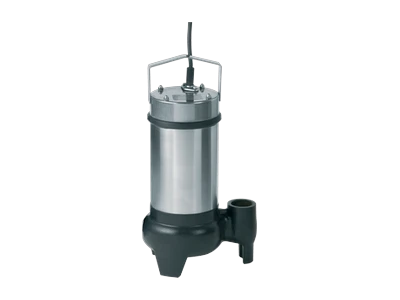
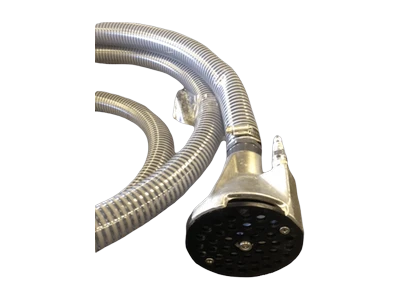
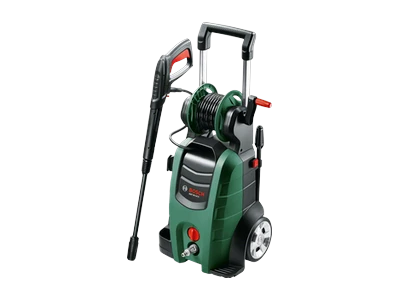
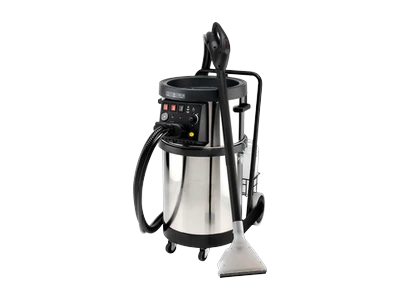
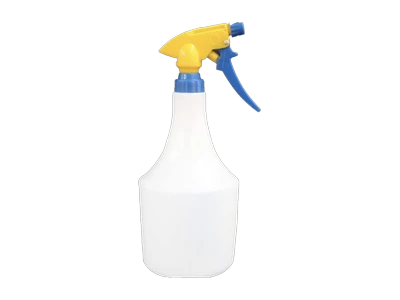
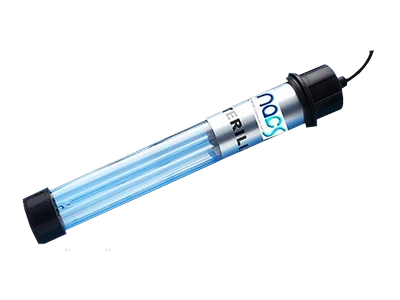
Each stage exists for a specific reason: de-watering exposes the surfaces sediment hides below the waterline; the sludge layer at the bottom is an active bacteria reservoir that has to be physically removed, not just diluted; high-pressure jetting is the only way to shear off a biofilm, which resists plain water; in PVC tanks a cleaning chemical first loosens the iron and sediment layer stuck to the walls (cement tanks don't need it); an anti-bacterial hydrogen peroxide (H2O2) spray then sterilises every surface; and UV-C light finishes the job by damaging any remaining bacterial and viral DNA so it can't multiply.
The same mechanized equipment and SRS-uniformed team shown in our process above, photographed on real jobs across Kolkata.


Message us on WhatsApp — most queries get a reply within 30 minutes.